One of the most inspiring success stories in the global music scene, fearless Congolese band STAFF BENDA BILILI is back with its long-awaited follow-up album "Bouger le monde", which bears witness to the spectacular musical evolution of the group, and to its intent to keep making... the world shake! (as stated in the album's title).
Everyone must know their story by now: formed by paraplegic street musicians who, at the time, slept on the streets of Kinshasa and rehearsed in the half-abandoned city zoo, STAFF BENDA BILILI conquered worldwide audiences and media thanks to their enchanting music, their relentless energy and their uplifting optimism. Upon the 2009 release of their first album, "Très Très Fort" (Crammed Discs), the band instantaneously became one of the most emblematic African bands around, as well as a symbol of resilience and triumph over adversity.
Released in movie theatres and on TV, "Benda Bilili!", the feature film dedicated to the story of the group was a sensation at the Cannes film festival, and achieved a high level of success. As for the "Très Très Fort" album, it won several awards and sold upwards of 150 000 units. STAFF BENDA BILILI have toured nonstop for the last 3 years, and they keep performing in front of a constantly growing number of devoted, fervent fans. The band have appeared in the largest festivals & concert halls across Europe, Australia and Japan.
This new album, recorded once again in Kinshasa, DRC, contains a collection of 11 superb songs, and benefits from the musical transformations which gradually took place during Staff Benda Bilili's 350+ shows: the band are louder and rockier, their level of musicianship has further risen, and the adjunction of three new members brings richer textures and added excitement to the arrangements: drummer Montana had joined the band right after the recording of the 1st album, lead guitarist Amalphi is a new recruit, and young percussionist Randy (who played with the Staff when he was a kid, and later vanished for a couple of years) is back in force.
Another significant innovation is that the lead vocal duties are now shared between no less than seven singers: in addition to Coco, Ricky and Theo (who sang most of the songs until now), bass player Cavalier, drummer Montana, "hype-man" Kabose, and Roger (he of the amazing tin-can-and-string solos) are all featured as lead vocalists on the album, which contains lyrics in no less than four different Congolese languages, plus the customary sections in French.
"Bouger le monde" wonderfully translates the band's new sound: it's more powerful and sophisticated, yet retains and showcases all the idiosyncratic qualities of their makeshift instruments, and is as lyrical and moving as it ever was.
The album was produced once again by Crammed's Vincent Kenis (of Congotronics fame) who, this time, didn't set up his mobile studio in the zoo, but in the old Renapec studio, where legendary rumba/soukouss stars such as Franco, Tabu Ley, Papa Wemba and Pepe Kalle recorded some of their best work.
According to STAFF BENDA BILILI, "Bouger le monde" — "move the world" or "make the world shake"— refers to several things at once: 1. their wish to modestly contribute to changing the world (through the message conveyed by their music and their attitude); 2. their will to help change their own, local world (as explained below); and 3. their firm intention to get their audiences to get up on their feet and dance!
Let's mention finally that STAFF BENDA BILILI are still living in Kinshasa. Although success has changed ther life conditions (each of the band members now has a house, or is building one; they've bought new motorbikes, and they can now afford to send their children to school), they aren't considering moving to anywhere else on the planet.They say that they would be cut off from their roots if they did. And they've set themselves a goal: they're eager to help disabled people and homeless children around them to get homes and jobs, and are founding a school which will give them professional tuition (in mechanics, carpentry, music and computer science). They've just created an NGO for that purpose.
L'une des success stories les plus glorieuses et rocambolesques qu'ait connu la scène musicale mondiale de ces dernières années est sans conteste celle de l'intrépide orchestre congolais STAFF BENDA BILILI. Les voici de retour avec "BOUGER LE MONDE", un nouvel album très attendu qui témoigne de la spectaculaire évolution musicale du groupe, ainsi bien sûr de sa détermination à faire, plus que jamais... bouger le monde.
L'histoire est désormais connue de tous: fondé par des musiciens de rue paraplégiques qui, à l'époque, dormaient dans les rues de Kinshasa et répétaient dans un jardin zoologique à moitié abandonné, STAFF BENDA BILILI a conquis le public du monde entier grâce à sa musique enchanteresse, son énergie implacable et son optimisme euphorisant. Suite à la sortie de leur premier album "Très Très Fort" (Crammed Discs, 2009), le groupe est devenu l'un des plus emblématiques d'Afrique, ainsi qu'un symbole de résilience et de triomphe sur l'adversité.
Sorti en salle et à la télévision, "Benda Bilili!", le long-métrage consacré à l'histoire du groupe, a fait sensation à Cannes et a récolté un large succès. L'album "Très Très Fort" (disque d'or en France) a remporté plusieurs prix, et s'est écoulé à plus de 150.000 exemplaires dans le monde. Les trois années qui viennent de s'écouler ont vu STAFF BENDA BILILI triompher sur les scènes des plus grands festivals et salles de concert à travers l'Europe, l'Australie et le Japon, face à un public toujours plus nombreux et plus fervent.
Les onze superbes chansons de ce nouvel album - enregistré à nouveau à Kinshasa, RDC - témoignent de la métamorphose de Staff Benda Bilili après plus de 350 concerts: le groupe joue plus fort, plus rock, plus assuré, plus virtuose, l'adjonction de trois nouveaux membres élargit la palette sonore, dynamise les arrangements: il y a le guitariste soliste Amalphi, nouvelle recrue éminente; le batteur Montana, qui a rejoint le groupe juste après l'enregistrement du premier album; et le jeune percussionniste Randy, recruté par le Staff quand il était enfant, puis porté disparu pendant quelques années, et désormais revenu en force...
Autre innovation importante, le rôle de vocaliste principal se partage désormais entre sept chanteurs: à Coco, Ricky et Théo (qui avaient chanté la plupart des chansons jusqu'ici), viennent s'ajouter Cavalier (le bassiste), Montana (le batteur), Kabose (“l'animateur”), et Roger (rendu célèbre par ses solos de satonge, cet instrument qu'il a construit à partir d'une boîte à conserve électrifiée). Tous chantent en solo sur l'album, et cela dans pas moins de quatre langues congolaises différentes, en plus de quelques parties en français.
"Bouger le monde" traduit parfaitement le nouveau son de STAFF BENDA BILILI, plus puissant, plus sophistiqué, les particularités sonores des instruments de fortune non seulement préservées mais mises en valeur, le lyrisme et l'émotion plus présents que jamais.
L'album a été produit à nouveau par Vincent Kenis (le réalisateur attitré de Crammed, qui s'est notamment illustré par son travail avec Konono N°1 et la série Congotronics). Cette fois, Kenis n'a pas installé son studio mobile dans le zoo mais dans l'ancien studio Renapec, où des légendes de la rumba congolaise telles que Franco, Tabu Ley, Papa Wemba et Pepe Kalle ont enregistré quelques-uns de leurs meilleurs disques. Selon les membres de STAFF BENDA BILILI, "Bouger Le Monde" fait référence à plusieurs idées à la fois: 1. leur souhait de contribuer modestement à changer le monde (à travers le message véhiculé par leur musique et leur attitude); 2. leur volonté de contribuer à changer les choses au niveau local (au moyen de leur ONG, voir ci-dessous), et 3. leur ferme intention d'inciter leur public à sauter sauter (sur ses pieds) et danser danser.
Signalons pour finir que les membres de STAFF BENDA BILILI vivent toujours à Kinshasa. Le succès a modifié leurs conditions de vie : chacun des membres est désormais propriétaire de sa maison, ou est en train d'en construire une; ils ont acheté de nouvelles bécanes, et peuvent à présent se permettre d'envoyer leurs enfants à l'école. Mais ils n'envisagent pas de vivre ailleurs: ils disent que, loin de Kinshasa, ils seraient coupés de leurs racines. Et ils se sont fixé une tâche qui leur tient à c?ur: aider d'autres personnes handicapées et des gamins des rues à trouver un logement et un travail. Ils travaillent notamment à la création d'une école qui dispensera des formations professionnelles (menuiserie, carrosserie, musique, informatique), et ont créé une ONG dans ce but.
Tracklist : 1. Osali Mabe 2. Sopeka 3. Bilanga 4. Tangu I Fueni 5. Kuluna / Gangs 6. Djambula 7. Libala Ya Mungwa 8. Souci 9. Apandjokwetu 10. Ne me quitte pas 11. Mutu Esalaka (The Brains Are OK)
En janvier 2011, Thrill Jockey Records, un label new-yorkais au cheptel principalement composé de moutons à cinq pattes (Tortoise, Fiery Furnaces, Nobukazu Takemura…), publiait Sahel Blues du songwriter et guitariste malien Sidi Touré. 15 ans après Hoga, ce deuxième album géolocalisait le groove entêtant de ces blues emmaillotés dans un nuage de poussière ocre. Enregistrées a minima, et en duo, dans la cour de la maison de sa sœur à Gao, ces neuf plages avaient été produites par le Nantais Covalesky (Molécules 5). Marquées du sceau de la sincérité, elles avaient ouvert au monde ce chanteur dont la carrière avait démarré sur les bancs de l’école. En 1976, Sidi Touré intégrait, comme benjamin, les Songhaï Stars, un des orchestres maliens réputés dont il finira par prendre la direction. En 2003, il collaborait avec le rappeur suisse Jonas puis participait cinq ans plus tard, accompagné d’un violoncelliste, au Concert à emporter, une série réputée sur la toile.
Pour ce nouvel enregistrement, Sidi Touré s’est rendu dans un studio de Bamako. Et c’est en quintet qu’il a enregistré cette dizaine de plages inspirées des traditions songhaï. On y entend le son rond de la calebasse ou celui frotté du sokou (vièle monocorde). On y retrouve évidemment celui des guitares évoquant comme sur Maïmouna les notes cristallines, égrenées une à une en chapelet, des koras. Et l’on se régale de ces voix du désert au grain remarquable. Bien sûr, l’on pense à Ali Farka Touré, chantre auquel le musicien né en 59 est souvent comparé, et l’on se dit que Sidi a réussi son tour : cet album dont le nom signifie «va écouter » évoque aussi une des dunes de Gao. Une dune au sommet de laquelle se retrouvent les plus grands marabouts du monde et au pied de laquelle coule le fleuve Niger, une dune qu’il a été autorisé à fouler et au pied de laquelle il s’est baigné. Koïma, un ravissement qui frise le divin !
Tracklist : 01. Ni See Ay Ga Done (It Is To You That I Sing) (3:44) 02. Maïmouna (4:44) 03. Aïy Faadji (I Am Nostalgic) (5:50) 04. Woy Tiladio (Beautiful Woman, Godess Of Water) (5:44) 05. Koïma (The Pink Dune Of Koïma) (5:07) 06. Ishi Tanmaha (They No Longer Hope) (7:53) 07. À Chacun Sa Chance (To Each His Own Luck) (4:33) 08. Kalaa Ay Makoïy (I Must Go) (5:21) 09. Tondi Karaa (The White Stone) (4:22) 10. Euzo (5:00)
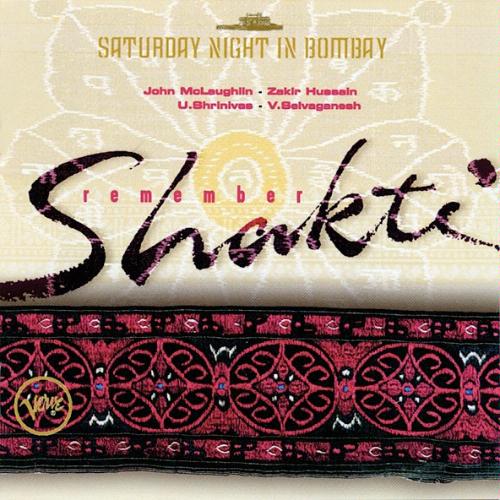
Remember Shakti is a quintet which combines elements of traditional Indian music with elements of jazz. The band consists of English guitarist John McLaughlin, Zakir Hussain (tabla), U. Srinivas (mandolin), Shankar Mahadevan (vocals), and V. Selvaganesh (kanjira, ghatam, mridangam), who are all of Indian descent. The band's name is derived from John Mclaughlin's acoustic Indian fusion band Shakti which was active in the 1970s. This band consisted of John McLaughlin, Zakir Hussain, L. Shankar, T.H. "Vikku" Vinayakram, and R. Raghavan. The word Shakti translates in Sanskrit to "female creative power" or "goddess."
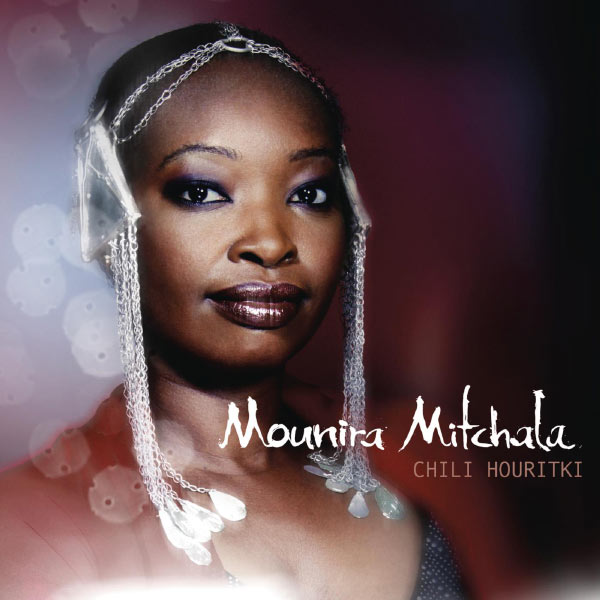
As a follow-up to Talou Lena (Marabi, 2008), Chili Houritki, which means, "independence," is an album that builds upon the traditional roots and rhythms of Chad's great musical resources. "Choukrane" is a Sai tune, while the title track is composed in the Bilala ethnic style that celebrates African female independence. A host of other tracks highlight various beats and styles, including n'gandja, guissesse, kidi kotoko, meund, kidi gourane, klaguu, nielim, gourna toupouri, mbong, toumtoum, and gourna. The overall sound is upbeat, contemporary Afro-pop that is rarely heard beyond Chadian borders. The music incorporates guitars, bass, shakers, calabash, kora, udu drum, and assorted percussion throughout the twelve tracks. Pleasant melodies, backup vocals, and sparkling instrumentation driven by historical traditions even contain some ululations and hand-clapping. At any rate, Chili Houritki is a long-awaited sophomore release from Chad's Mounira Mitchala.
It is an improbable story: one that reunites, a group of young Parisians with the Swingin' Addis sounds of the seventies. In October 2008, five musicians got together on a wild project: to delve into the repertoire of the ethiopian golden age, discovered through “Ethiopiques”, the famous series of reissues. “The idea was to transcribe songs from this period and rearrange them to the sound of our times. First off, it eliminated the need to write songs that risked falling into ethio-jazz clichés. The aim was not to bring about some artistic revolution through our work but simply to give and take pleasure by performing this music!” Through this retro-futuristic alchemy, the Akalé Wubé quintet was born: a curious name borrowed from a song by the saxophonist Getatchew Mekurya, a bit of an old-fashioned expression which can by translated as “my beautiful” in amharic.
“Since our very first concert in December 2008 we were surprised by the audience’s enthusiasm.” Since then, Akalé Wubé have played a series of concerts, refining a retro sound which resounds perfectly with the contemporary aesthetic of a generation of musicians that juggle genres around. Funk, reggae, jazz, tango... “All of this is found in the vocabulary and aesthetic of the ethiopian productions of the sixties and seventies. It is a cross-bred style of music - so much so, that even by sticking to the repertoire, it can be taken in different directions...” A mix of stripped-down funk soul and smart pop, of garage rock and vintage jazz, this spatiotemporal collision ultimately invites us to a fresh journey in sound, guided by the good sense of groove.
C’est l’histoire d’une rencontre improbable : celle qui réunit, à quarante ans de distance, de jeunes Parisiens et le son du Swingin’ Addis des années 70. En octobre 2008, cinq musiciens se réunissent autour d'un projet fou : s’attaquer au répertoire de l’âge d’or éthiopien, découvert sur la fameuse série de rééditions « Ethiopiques ». « L’intérêt était de relever des titres de cette période et de les réarranger à l’aune de notre époque. Dans un premier temps, ça nous évitait d’écrire des morceaux qui risquaient de sombrer dans les clichés éthio-jazz. Il n’y avait pas de prétention de révolution artistique dans notre démarche. Juste prendre et donner du plaisir à jouer cette musique ! » C’est ainsi, sur la foi de cette alchimie rétro-futuriste, que naît le quintet Akalé Wubé, un drôle de nom emprunté à un thème du saxophoniste Getatchew Mekurya, une expression un tantinet désuète que l’on peut traduire par « ma jolie » en amharique.
« Dès notre première scène, en décembre 2008, on a été surpris par l’emballement du public. » Depuis, Akalé Wubé a enchaîné les concerts sans relâche, affinant un son à l’ancienne qui résonne dans l’esthétique contemporaine d'une génération de musiciens qui fait valser les étiquettes. Funk, reggae, jazz, tango… « Tout cela se retrouve dans le vocabulaire et l’esthétique des productions éthiopiennes des années 60/70. C'est déjà une musique métissée, si bien qu'en s'attaquant à ce répertoire, on peut l’emmener dans toutes les directions.... ». Mélange de de soul funk désossée et de pop délurée, de rock garage et de jazz vintage, ce télescopage spatio-temporel nous invite au final à un voyage sonore inédit, guidé par le bon sens du groove.
Band Members : PAUL BOUCLIER : trumpet, mélodica, percussions ETIENNE DE LA SAYETTE : tenor sax, flutes LOIC RECHARD : guitar OLIVER DEGABRIELE : electric bass DAVID GEORGELET : drums
Tracklist : 01. Marye [04:47] 02. Dodo [04:28] 03. Mata [03:50] 04. Jour de Pluie [02:22] 05. Kasalefkut Hulu [05:24] 06. Almaz Yeharerwa [04:14] 07. Asmarina [03:54] 08. Bazay [05:42] 09. Besetchet [02:39] 10. Sabye [04:37] 11. Tinchel [03:45]
Dead Can Dance (sometimes referred to as DCD) are a music band formed in Melbourne, Australia, in August 1981, by Lisa Gerrard and Brendan Perry. The band relocated to London in May 1982 and disbanded in 1998. Their 1996 album Spiritchaser reached No. 1 on the Billboard Top World Music Albums Chart. Australian music historian Ian McFarlane described Dead Can Dance as having an ambient style of world music that "constructed soundscapes of mesmerising grandeur and solemn beauty; African polyrhythms, Gaelic folk, Gregorian chants, Middle Eastern mantras, and art-rock."
Tracklist : 01 - Children Of The Sun 02 - Anabasis 03 - Agape 04 - Amnesia 05 - Kiko 06 - Opium 07 - Return Of The She-King 08 - All In Good Time
From http://www.worldmusicstore.com Percussive strings and maracas, dynamic vocal expression, and full-throttle pace earned the joropo of the Orinoco plains of Colombia and Venezuela its place among the most exciting regional musics of Latin America. On this, its second Smithsonian Folkways album, the GRAMMY-nominated and internationally acclaimed Colombian ensemble Cimarrón distills this excitement into a tightly arranged, even more explosive rendition of their tropical tradition. Through their powerful, moody, and unbridled sound, they live up to the meaning of their name Cimarrón—“wild bull.” This album is part of the Smithsonian Folkways Tradiciones/Traditions series of Latino music albums, produced with support by the Smithsonian Latino Center. Tracklist :1 Joropo quitapesares (Joropo Quitapesares) - 5:31 2 Vine a defender lo mío (I Came to Defend My Own) - 3:24 3 El cimarrón (The Wild Bull) - 3:16 4 Zumbaquezumba tramao (Planned Zumbaquezumba) - 4:19 5 Llanero siente y lamenta (Plainsman Feels and Laments) - 3:00 6 El gavilán (The Sparrow Hawk) - 5:08 7 Llanero soy ( I Am a Plainsman) - 2:18 8 La tonada (The [Milking] Song) - 3:08 9 Mi sombrero (My Hat) - 3:38 10 El guate (The Outsider) - 3:20 11 Tierra negra (Black Land) - 3:16 12 Mi llano ya no es el mismo (My Plains Are No Longer the Same) - 3:25 13 Cimarroneando (“Cimarrón-ing”) - 4:27
Hailing from Osaka, Japan, Yoko was born to sing salsa.
Yoko’s singing career began at the age of fifteen when she fronted a local rock band in Osaka. While attending the Kyoto University of Foreign Language, Yoko majored in Spanish language studies, which provided her with an excellent foundation in Spanish. Around the same time, Yoko discovered the music of salsa and she was immediately hooked. She wanted to learn more about the musical genre of salsa, but she was unsure if it even existed in Japan.
As a part-time job, Yoko started singing at local jazz clubs, and it didn't take long before her great talent was discovered In 1996 she was asked to join the salsa band ‘Conjunto Mamborama’ as a vocalist. They performed regularly at a salsa club in Osaka called Pata Pata De La Salsa. With her big voice and powerful lungs, singing in a large club like Pata Pata was a great opportunity for Yoko. At that point she completely abandoned her career as a jazz singer. Word of her talent got out among musicians in Japan, and she was invited to sing as the main vocalist for ‘Las Estrellas’, a salsa band formed by the former members of the famous Japanese salsa band "Orquesta De la Luz".
In 1997, she moved to the United States and started performing with local band and her own group. In 2004 she was invited to perform in Japan with Herman Olivera, a prestigious figure within the New York salsa scene who is currently the lead singer of the Eddie Palmieri Orchestra.
In 2006, Yoko found a great production team, who believe strongly in her talent and potential. Mr. Willie Ruiz, Yoko’s musical director, comments that, “if you don’t see her in person, you’d never know if it was a Japanese or an Hispanic woman singing."
After her debut with Chino Nunez and Friends at the New York Salsa Congress in 2006, she became a lead singer of the band and sang a duet with international salsa star Ray Sepulveda “Hoy les cantamos” on Chino’s 2nd album “Dr. Salsa”. This became an international hit topping the chart in Pamana. The song was also featured on XM Caliente in April 2008. In January 2008 she made a trip to Greece in 2008 with Chino. This Japanese salsera is ready to sing out her fantastic music for all the world to hear!
Tracklist : 1.Este Ritmo Original 2.La Tirana 3.La Pastillita 4.Vengo Inspirada 5.Averiguadas 6.Los Hombres Son (Las Mujeres Son) 7.Empezo La Fiesta 8.Mi Oporutunidad
En janvier 2011, Thrill Jockey Records, un label new-yorkais au cheptel principalement composé de moutons à cinq pattes (Tortoise, Fiery Furnaces, Nobukazu Takemura…), publiait Sahel Blues du songwriter et guitariste malien Sidi Touré. 15 ans après Hoga, ce deuxième album géolocalisait le groove entêtant de ces blues emmaillotés dans un nuage de poussière ocre. Enregistrées a minima, et en duo, dans la cour de la maison de sa sœur à Gao, ces neuf plages avaient été produites par le Nantais Covalesky (Molécules 5). Marquées du sceau de la sincérité, elles avaient ouvert au monde ce chanteur dont la carrière avait démarré sur les bancs de l’école. En 1976, Sidi Touré intégrait, comme benjamin, les Songhaï Stars, un des orchestres maliens réputés dont il finira par prendre la direction. En 2003, il collaborait avec le rappeur suisse Jonas puis participait cinq ans plus tard, accompagné d’un violoncelliste, au Concert à emporter, une série réputée sur la toile.
Pour ce nouvel enregistrement, Sidi Touré s’est rendu dans un studio de Bamako. Et c’est en quintet qu’il a enregistré cette dizaine de plages inspirées des traditions songhaï. On y entend le son rond de la calebasse ou celui frotté du sokou (vièle monocorde). On y retrouve évidemment celui des guitares évoquant comme sur Maïmouna les notes cristallines, égrenées une à une en chapelet, des koras. Et l’on se régale de ces voix du désert au grain remarquable. Bien sûr, l’on pense à Ali Farka Touré, chantre auquel le musicien né en 59 est souvent comparé, et l’on se dit que Sidi a réussi son tour : cet album dont le nom signifie «va écouter » évoque aussi une des dunes de Gao. Une dune au sommet de laquelle se retrouvent les plus grands marabouts du monde et au pied de laquelle coule le fleuve Niger, une dune qu’il a été autorisé à fouler et au pied de laquelle il s’est baigné. Koïma, un ravissement qui frise le divin !
Tracklist :
01. Ni See Ay Ga Done (It Is To You That I Sing) (3:44)
02. Maïmouna (4:44)
03. Aïy Faadji (I Am Nostalgic) (5:50)
04. Woy Tiladio (Beautiful Woman, Godess Of Water) (5:44)
05. Koïma (The Pink Dune Of Koïma) (5:07)
06. Ishi Tanmaha (They No Longer Hope) (7:53)
07. À Chacun Sa Chance (To Each His Own Luck) (4:33)
From the sweltering tropical depths of Cali, Colombia Will ‘Quantic’ Holland’s studio band Los Miticos Del Ritmo (The Mythics of Rhythm) return with an album of hip shaking, dancefloor quaking instrumental cumbias. Released on CD, LP and download on the 30th April. The LP is 100% analogue and comes with an original screen-printed front cover designed by the London based artist Lewis Heriz.
Assembled using vallenato and cumbia musicians living in Cali, Los Miticos del Ritmo are a 7 piece studio band put together by British musician, producer and now Colombian resident Will ‘Quantic’ Holland.
Covers of Queen’s ‘Another One Bites The Dust’, Michael Jackson’s ‘Don’t Stop’, The Abyssinians reggae classic ‘Satta Massagana’ and Gildardo Montoya’s ‘Fabiola’ (as featured on Soundway’s ‘The Original Sound of Cumbia’ sit along side original cumbias on this feel good, house party cumbia LP.
Recorded in Will’s home studio in Cali, his approach was to produce an album with the aesthetics of 1960s tropical recordings made in Colombia and the Caribbean. Careful attention made to preserve the analogue quality of the recording at every stage.
‘The idea of the record was to record something that sounded like a lost cumbia classic,’ said Will in a recent interview with Soundway ‘Like something dug out of a Barranquilla basement after decades of humidity and dust. In a modern climate of mashups and sampling, it seemed refreshing to record something with musicians doing covers and approaching new ideas for cumbia, rather than rehashing old tricks.’
The record was recorded entirely on 4 track tape, using a process of overdubs and tape transfers to record multiple sessions at different times with different musicians. As Holland began to play the dub plates of the project in his DJ sets around the world, tracks like ‘Cumbia de Mochilla’ and ‘Another one Bites the Dust’ slowly became sure-fire dancefloor winners.
Los Mitcios Del Ritmo first saw the light of day on Quantic’s vinyl only EP ‘Hip Hop En Cumbia’, released last year through Tru Thoughts. The group includes Ancer Rada (percussion) grandson of the great Colombian accordionist Franscisco Pacho Rada, one of very first Colombian troubadours to tour unaccompanied with just his voice and accordion. The band is also compromised of Combo Barbaro regulars Fernando Silva (bass) and Freddy Colorado (percussion).
Since moving to Colombia in 2007 Will has slowly immersed himself in the musical history of the country. The much acclaimed ‘The Original Sound of Cumbia’, a 55 track compilation of Colombian cumbia and porro released on Soundway in 2011, was the result of five years of field research from Will. Simply finding and compiling old records is not however in Will’s DNA. The research is more an education for Quantic the musician who has been learning accordion for close to five years now, even taking lessons from Colombian and Panamanian accordion masters such as Anibal Velasquez and Papi Brandao.
Los Miticos Del Ritmo sees Will as an accordionist for an entire long player for the first time and must be the first traditional cumbia record recorded on tape in Colombia for many years.
Tracklist :
1. Introduction
2. Cumbia Comejen
3. Otro Muerde El Polvo (Another One Bites The Dust)
4. La Libanesa
5. Samaria
6. Willy’s Merengue
7. Cumbia de Mochilla
8. Satta Massa Cumbia
9. No Pares Hasta Tener Lo Suficiente (Don’t Stop ‘Til You Get Enough)






 Posts
Posts


